
Packing light transforms how you travel. When you carry less, you move faster through airports, switch hotels easily, and worry less about lost luggage. A minimalist travel packing list focuses on versatile essentials that fit in a carry-on bag, typically including 3-5 clothing items per category, one pair of shoes, basic toiletries, and necessary tech gear.
The key to successful minimalist packing is choosing items that work in multiple situations. Your clothing should be comfortable, quick-drying, and appropriate for different activities and weather conditions. Many experienced travelers fit everything they need for a week or longer into a 20-30 liter backpack.
Learning to pack minimally takes practice, but the benefits are worth it. You’ll spend less time deciding what to bring, save money on baggage fees, and enjoy more freedom during your trip. This guide will show you exactly what to pack and how to organize it efficiently.
Table of Contents
Key Takeaways
- Choose a personal item-sized backpack between 20-30 liters that fits airline carry-on requirements
- Pack versatile clothing items that can be mixed, matched, and worn multiple times between washes
- Use packing cubes and smart organization techniques to maximize space and keep gear accessible
Minimalist Travel Mindset
Packing light starts with changing how you think about travel gear. You need to focus on what adds real value to your trip instead of packing for every possible scenario.
Benefits of Packing Light

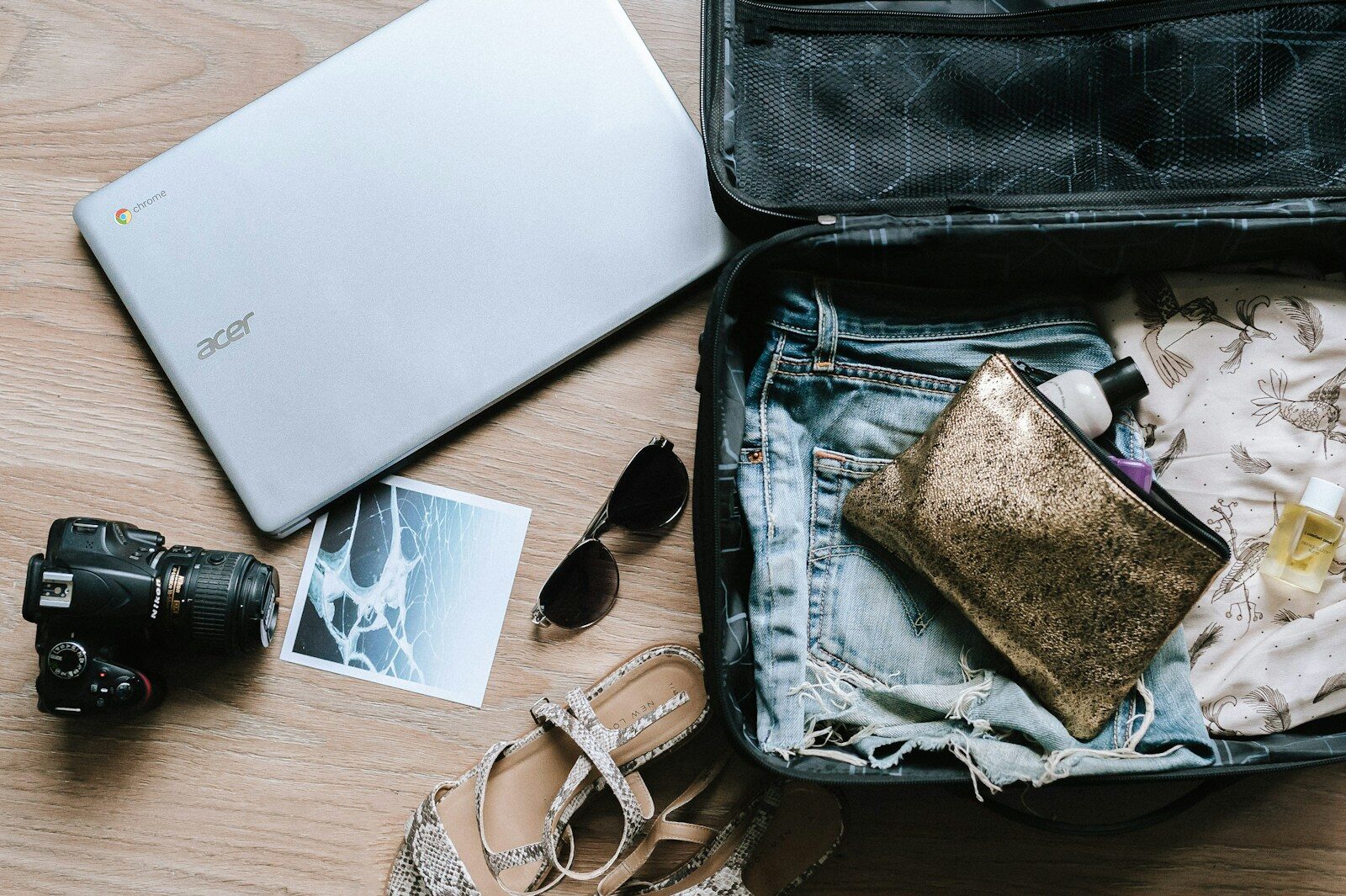
When you pack light, you save money on baggage fees that can cost $35 to $50 each way on U.S. flights. That’s $100 saved per trip that you can spend on experiences instead.
You move faster through airports when you only carry a small bag. There’s no waiting at baggage claim or worrying about lost luggage. Your mobility improves when you travel like a minimalist because you can easily hop on buses, trains, and ferries without dragging heavy suitcases.
Physical and mental benefits include:
- Less strain on your back and shoulders
- Reduced stress about managing your belongings
- More energy to enjoy your destination
- Freedom to move between accommodations quickly
You also reduce your environmental impact. Lighter planes use less fuel, which means your carbon footprint shrinks with every pound you leave behind.
Letting Go of Non-Essentials
You need to question every item before it goes in your bag. Ask yourself if you’ll actually use it more than once or twice during your trip.
The “what if” items take up the most space in your luggage. These are the things you pack for unlikely scenarios that rarely happen. You don’t need special outfits for every possible occasion or backup items for your backup items.
Start by laying everything on your bed. Remove 25% of what you planned to bring. Then cut another 25%. This exercise helps you see what’s truly necessary versus what just seems nice to have.
Your hotel or rental often provides items like hair dryers and towels. Check what’s available before you pack duplicates. When you pack like a minimalist, you rely on doing laundry during longer trips instead of bringing excess clothing.
Minimalist Packing Philosophy
Your packing should focus on versatility. Each item needs to serve at least two purposes to earn its place in your bag.
Choose neutral colors like black, navy, beige, or olive for your base wardrobe. Add one accent color if you want. This system lets everything match with everything else, creating multiple outfit combinations from fewer pieces.
Layering beats bulk every time. A thin thermal layer plus a light sweater plus a rain shell keeps you warmer than one heavy coat. These layers also pack smaller and work in different temperature ranges.
Core principles for minimalist packing:
- Functionality over fashion – comfort matters more than looking perfect
- Quality over quantity – one durable item beats three cheap ones
- Experiences over stuff – pack for what you’ll actually do, not imagined situations
The three-item rule works well for clothing. Three tops and three bottoms create nine different outfits. Add one dress or versatile piece and you have options for two weeks of travel.
Choosing the Right Minimalist Travel Bag
Your bag choice determines how successfully you can travel light. The right minimalist travel bag should fit airline carry-on requirements, organize your belongings efficiently, and feel comfortable during long travel days.
Travel Backpack and Carry-On Options

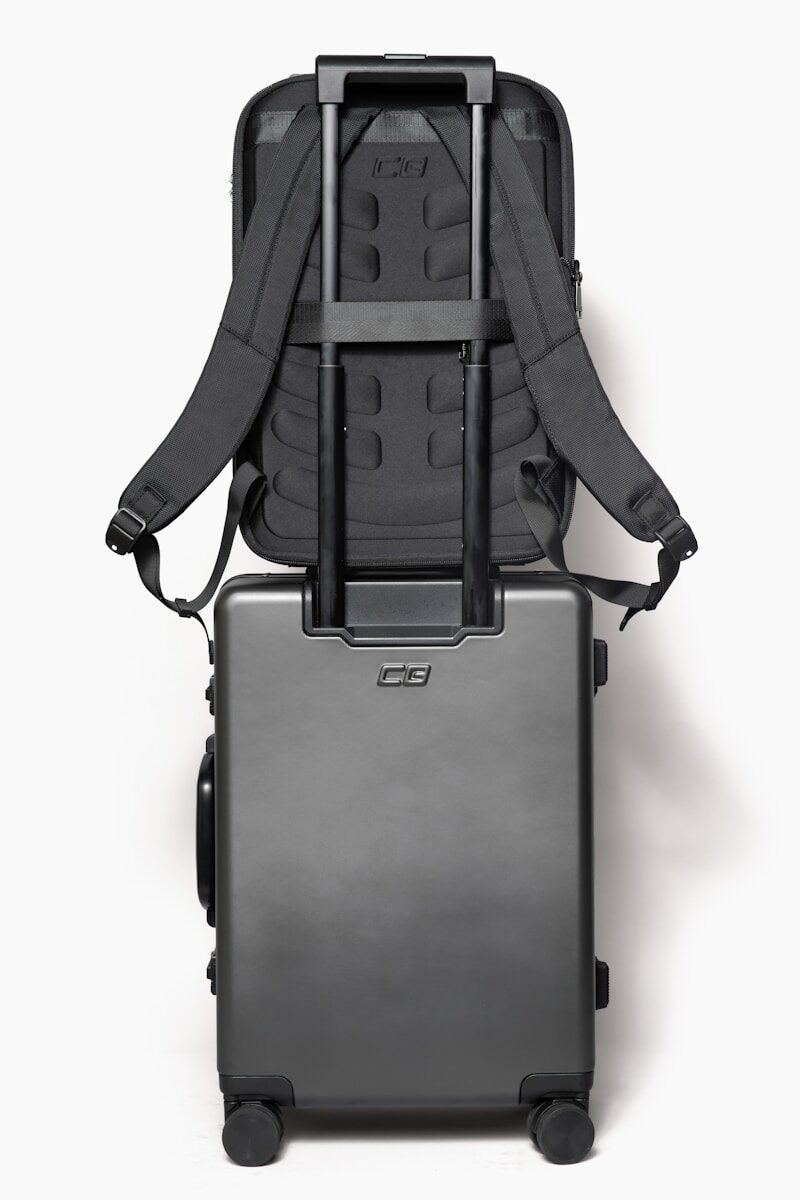
A quality carry-on backpack between 35-40 liters works best for carry-on only travel. This size fits most airline overhead compartments while holding everything you need for weeks of travel.
Look for a clamshell opening design. This feature lets you pack like a suitcase and access items without dumping everything out.
The Osprey Fairview stands out as a popular choice among minimalist travelers. It includes a hideaway harness system that protects straps during flights and fits comfortably on different body types.
Your best travel backpack should include a padded laptop sleeve, water bottle pockets, and compression straps. These features keep electronics safe and compress your bag when it’s not full.
Water-resistant material protects your belongings during unexpected rain. You don’t need fully waterproof bags unless you plan specific activities like kayaking.
Avoid bags with excessive external straps or attachments. These catch on airport conveyor belts and add unnecessary weight to your minimalist travel bag.
Daypack or Small Backpack Selection
You need a small backpack for daily excursions once you reach your destination. A 15-20 liter daypack stores essentials like water, snacks, a light jacket, and your camera without weighing you down.
Choose a daypack that folds flat or packs inside your main carry-on bag. This saves space during transit and gives you flexibility at your destination.
Look for adjustable straps and breathable back panels. You’ll wear this bag for hours while exploring cities or hiking trails.
Some travel backpacks include a detachable daypack. These combo options work well if you want an all-in-one solution.
Your daypack should have at least one internal pocket for valuables and an external water bottle holder. Additional organization helps but isn’t essential for a minimalist approach.
Criteria for the Best Minimalist Bags
Weight matters more than you think. Your empty bag shouldn’t exceed 3 pounds for a carry-on backpack or 1 pound for a daypack.
Durability comes from quality materials and reinforced stitching at stress points. Check zippers especially since they fail most often on travel bags.
Evaluate these key features when choosing the right bag:
- Size compliance: Fits airline carry-on dimensions (typically 22 x 14 x 9 inches)
- Weight distribution: Padded shoulder straps and hip belt for comfort
- Access points: Multiple entry points for quick item retrieval
- Organization: Internal compression and packing cubes compatibility
- Durability: Ripstop nylon or polyester construction
Your bag should serve multiple purposes rather than having single-use features. A minimalist travel backpack with convertible straps can function as both a backpack and briefcase.
Test the bag with weight before buying. Load it with 20 pounds and wear it around the store to check comfort and balance.
Essential Minimalist Packing List
A well-planned minimalist travel packing list focuses on multipurpose items that cover your basic needs without excess weight. Your packing essentials should include critical documents, health supplies, and adaptable gear that works across different situations.
Minimalist Travel Packing List Overview
Your travel packing list should fit into a carry-on bag that meets airline size limits. Most minimalist travelers use bags between 20 and 30 liters.
The goal is to pack items you’ll actually use. Each piece should serve a clear purpose. If you find yourself asking why you packed something, you probably didn’t need it.
A good rule is the one-week test. Pack enough clothes and gear for seven days, regardless of trip length. You can wash items as you travel. This approach works for both short trips and extended journeys.
Start by laying out everything you think you need. Then remove half of it. You’ll be surprised how little you actually require.
Fundamental Travel Essentials
Your travel documents form the foundation of any packing list. You need your passport with at least six months validity remaining. Keep digital copies stored in your email and cloud storage.
Travel insurance protects you from unexpected medical costs and trip cancellations. Print a copy of your policy and emergency contact numbers. Store these separately from your passport.
A universal adapter lets you charge devices in different countries. Look for compact models with USB ports built in. These eliminate the need for multiple charging blocks.
Your money belt or travel pouch keeps valuables secure against your body. Choose one that fits under your clothing. Store your backup credit card, emergency cash, and passport copies here.
Essential documents to pack:
- Passport and visa documents
- Travel insurance papers
- Credit cards and debit cards
- Small amount of local currency
- Vaccination records if required
A lightweight wallet holds your daily-use cards and cash. RFID-blocking versions protect against electronic theft.
Minimalist First Aid and Safety Items

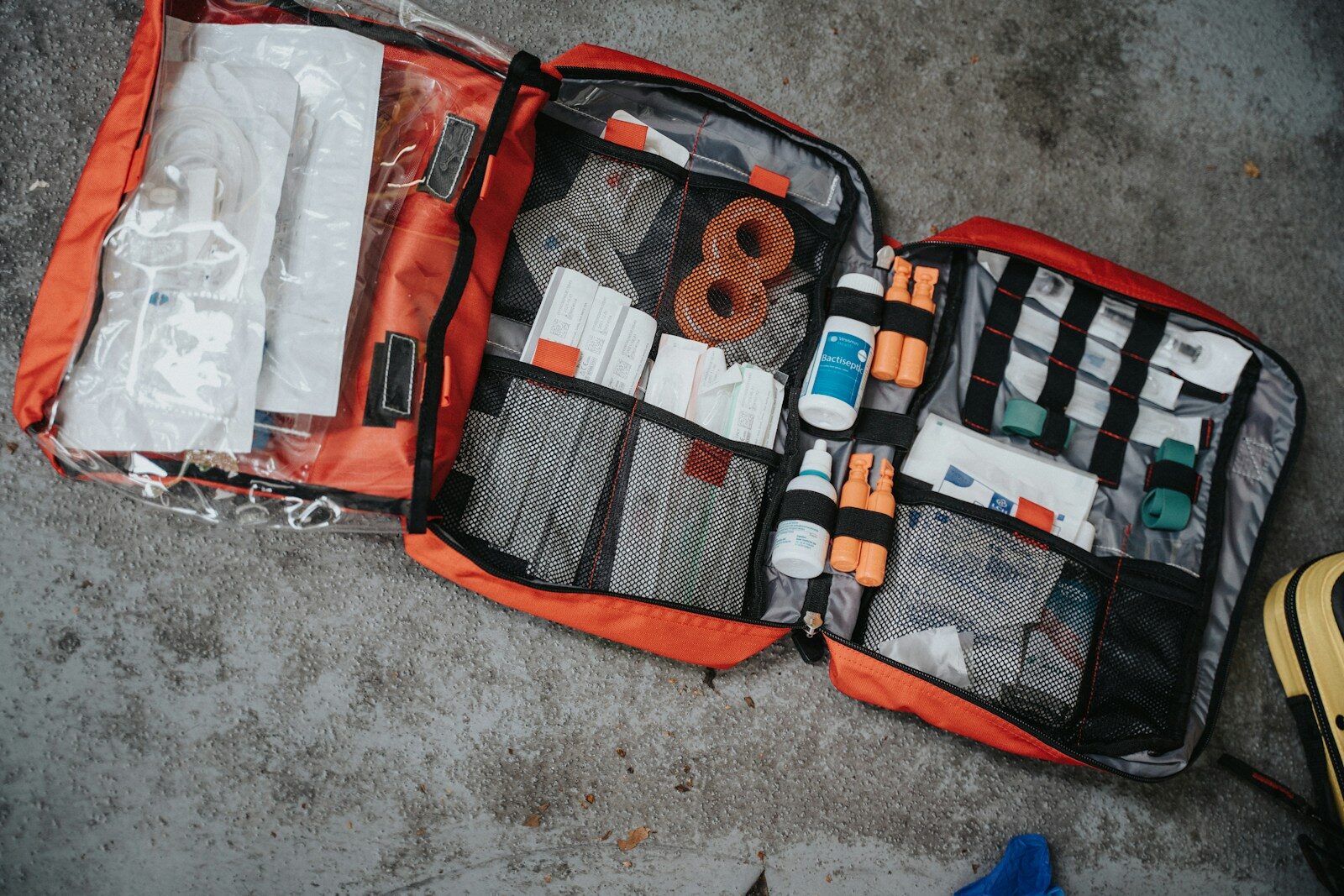
Your first-aid kit doesn’t need to be extensive, but it should cover common travel health issues. A small zippered pouch works perfectly for organization.
Pack basic medications you already use regularly. Include pain relievers, antihistamines, and anti-diarrhea pills. Bring any prescription medications in their original containers with extra days’ supply.
Core first-aid items:
- Adhesive bandages in various sizes
- Antibiotic ointment packets
- Pain relievers (ibuprofen or acetaminophen)
- Antihistamine tablets
- Anti-diarrhea medication
- Motion sickness pills if needed
- Personal prescription medications
- Hand sanitizer
Add a small package of electrolyte powder for dehydration. Include any specific items your destination requires, like altitude sickness medication or malaria pills.
A compact emergency whistle weighs almost nothing but could save your life. Attach it to your bag’s zipper pull. Keep a photocopy of your emergency contacts and blood type in your first-aid pouch.
Building a Minimalist Capsule Wardrobe
A travel capsule wardrobe works best with 10-12 versatile pieces in neutral colors that mix and match easily. Quick-dry fabrics and climate-appropriate layers help you stay comfortable while keeping your luggage light.
Core Clothing Pieces
Your capsule wardrobe should include these basic items:
Tops (4-5 pieces)
- 2-3 short-sleeve shirts in neutral colors
- 1-2 long-sleeve shirts or lightweight sweaters
Bottoms (3-4 pieces)
- 2 pairs of pants in black, navy, or khaki
- 1 pair of shorts (optional for warm climates)
- 1 skirt or dress (optional)
Each top should work with every bottom you pack. This creates multiple outfit combinations from just a few pieces.
Choose solid colors or simple patterns. Black, gray, navy, and beige work well together. You can add one accent color if you want.
Pack packing cubes to keep your clothes organized and compressed. Roll your clothes instead of folding them to save space and reduce wrinkles.
Choosing Quick-Dry Fabrics
Quick-dry fabrics let you wash clothes in your hotel sink and wear them the next day. This means you can pack less and rewash items during your trip.
Best fabric options:
- Merino wool (naturally odor-resistant)
- Nylon blends
- Polyester blends
- Synthetic athletic wear
Avoid cotton because it takes too long to dry and holds onto odors. Heavy denim also stays wet for hours after washing.
Versatile, mix-and-match basic wardrobe essentials in lightweight materials work for various occasions. Look for clothing labeled as moisture-wicking or quick-dry.
Test your clothes before your trip. Wash an item and hang it up. If it’s still damp after 8 hours, leave it at home.
Packing for Different Climates
Your travel capsule needs to match where you’re going.
Warm weather: Pack light colors and breathable fabrics. Bring one light cardigan for air-conditioned buildings. Add a hat for sun protection.
Cold weather: Layer instead of packing bulky coats. Start with thermal underwear, add a long-sleeve shirt, then a fleece or wool sweater. Pack a waterproof jacket as your outer layer. Bring a scarf that doubles as a blanket.
Mixed climates: Focus on layers you can add or remove. A lightweight jacket works for cool mornings and evenings. Pack both short and long-sleeve shirts.
Check the weather forecast one week before you leave. Adjust your clothing list based on actual conditions. Remember that choosing items that do double duty saves space in your bag.
Minimalist Toiletries and Personal Care
Choosing the right toiletries can make or break your minimalist packing strategy. The key is understanding which products take up the most space, which ones create liquid restrictions, and how to replace bulky items with compact alternatives.
Dry Toiletries Versus Wet Toiletries
Dry toiletries offer clear advantages for minimalist travel. Items like bar soap, toothpaste tablets, and solid deodorant eliminate the risk of spills in your bag. They also don’t count toward the TSA liquid limit if you’re flying with carry-on luggage only.
Wet toiletries include liquid shampoo, body wash, lotion, and traditional toothpaste. These products require leak-proof containers and take up more space in your toiletry bag. You’re limited to 3.4 ounces per container when flying, which means multiple small bottles instead of one larger item.
The practical difference becomes obvious when packing. A single shampoo bar weighs about one ounce and lasts as long as two or three bottles of liquid shampoo. Your toiletry bag stays lighter and more organized when you prioritize dry options.
Space-Saving Toiletry Packing
Your minimalist toiletries should fit in a compact bag no larger than a small pencil case. Look for products that serve multiple purposes to reduce the total number of items you carry.
A shampoo bar can double as body soap. One moisturizer can work for both face and body. Solid sunscreen sticks replace bulky bottles. These simple swaps cut your packing volume in half.
| Product Type | Standard Size | Minimalist Alternative |
|---|---|---|
| Liquid shampoo | 8-12 oz bottle | 2 oz shampoo bar |
| Body wash | 8-12 oz bottle | Multi-use bar soap |
| Face & body lotion | Two 4 oz bottles | One 2 oz cream |
| Liquid sunscreen | 6 oz bottle | 1 oz solid stick |
Store everything in a clear, waterproof pouch for easy security screening. Roll clothes around your toiletry bag to protect solid items from breaking.
Eco-Friendly and Solid Toiletry Options
Solid toiletry options reduce plastic waste while saving space in your bag. Essential personal care items like shampoo bars, conditioner bars, and soap bars come in minimal or compostable packaging.
These products last longer than their liquid versions. A quality shampoo bar provides 50 to 80 washes compared to 20 to 30 from a travel-sized bottle. You’ll replace items less often and create less waste overall.
Recommended solid options:
- Shampoo and conditioner bars
- Bar soap for face and body
- Solid lotion bars
- Toothpaste tablets or powder
- Solid deodorant sticks
Many brands now offer concentrated powder versions of products you mix with water at your destination. This includes laundry detergent, face wash, and even mouthwash. The powder weighs almost nothing and takes up minimal space in your travel toiletries.
Smart Organizing & Packing Techniques
The right packing methods can cut your bag size in half while keeping everything accessible and wrinkle-free. Simple tools like compression bags and digital backups transform chaotic suitcases into organized systems that save time at security checkpoints and hotel rooms.
Using Packing Cubes and Compression Bags
Packing cubes divide your bag into organized sections that make finding items quick and easy. You can dedicate one cube to shirts, another to pants, and a third to underwear and socks. This system means you never dig through your entire bag to find one item.
Compression bags take organization further by removing excess air from your clothes. These bags can shrink bulky items like sweaters and jackets by up to 30%. Roll your clothes before placing them in compression cubes to maximize space and reduce wrinkles.
Packing cubes work as a game-changer because they function like drawers in your bag. When you arrive at your destination, drop the cubes directly into hotel drawers. You can also use different colored cubes for clean versus dirty clothes during your trip.
A luggage scale helps you avoid overweight fees by checking your bag weight before you leave home. Measure your packed cubes individually to distribute weight evenly across multiple bags if needed.
Digital Organization and Security
Store digital copies of your passport, visa, credit cards, and travel insurance in cloud storage before you leave. Take photos of these documents and upload them to a password-protected folder you can access from any device. This backup saves you if your wallet gets stolen or lost.
Download offline maps of your destination to your phone so you navigate without using data. Apps like Google Maps let you save entire cities for offline use. Keep a travel adapter in an easy-to-reach pocket since you’ll need it as soon as you land.
Create a folder on your phone with screenshots of your hotel addresses, reservation numbers, and emergency contacts. Put these in airplane mode accessible apps so you don’t scramble for WiFi when you need important information. Back up your photos daily to free up phone storage during your trip.
Wearables and Multipurpose Accessories
Wear your bulkiest items on the plane to save precious bag space. Put on your sneakers, heaviest jacket, and thickest sweater during travel days. This approach keeps your carry-on light while keeping you prepared for temperature changes.
A scarf serves multiple jobs beyond style. Use it as a blanket on cold flights, a beach cover-up, a pillowcase on questionable hostel beds, or a picnic blanket. Choose a large cotton or linen scarf that folds small but covers a lot of ground.
Pack a foldable tote in your main bag for day trips, grocery runs, and unexpected souvenir purchases. These bags weigh almost nothing and collapse into a tiny pouch when empty. You can also use the tote as overflow if you need to separate dirty laundry or wet swimsuits from clean clothes.
Recommended Minimalist Travel Gear
The right gear makes minimalist travel easier and more practical. Quality items that serve multiple purposes reduce weight while meeting your essential needs on the road.
Tech and Digital Essentials
A universal travel adapter is non-negotiable for international trips. Look for models that work in over 200 countries and can charge multiple devices at once. The Epicka universal travel adapter charges up to six devices simultaneously and includes four different plug types.
Your phone serves as your camera, map, and communication device. Bring a portable power bank with at least 10,000mAh capacity to keep it charged during long travel days.
An e-reader replaces heavy books and saves valuable packing space. A Kindle or similar device holds thousands of books in a compact, lightweight form that fits in any bag.
Pack a single charging cable that works with all your devices when possible. USB-C cables now work with most modern electronics.
Hydration and Sustainability Items
A reusable water bottle is essential for sustainable travel and saves money on bottled water. Choose a collapsible silicone bottle or a lightweight stainless steel option that fits in your bag’s side pocket.
Quick-dry travel towels take up minimal space compared to regular towels. Microfiber versions dry in hours and pack down to the size of a small pouch. They work for showers, beaches, and gym visits.
Bring reusable food containers or bags for snacks and leftovers. These reduce plastic waste and give you flexibility when eating on the go.
Solid toiletries like bar shampoo and soap eliminate liquid restrictions and last longer than bottles. They also prevent spills in your luggage.
Multi-Functional Travel Accessories
A packable down jacket provides warmth without bulk. Modern versions compress into their own pocket and weigh less than a pound. They work as a pillow, blanket, or extra layer depending on your needs.
Compression packing cubes organize your clothes and create up to 30% more space in your bag. The Bagsmart set fits up to three weeks of clothing in a carry-on.
A lightweight silk scarf serves as a fashion accessory, blanket, head covering, or beach wrap. It takes almost no space but transforms multiple outfits.
Choose a versatile daypack that works for hiking, city exploration, and as your personal item on flights. Look for models with a laptop sleeve and water bottle pocket. The pass-through luggage sleeve lets you stack it on your rolling bag at airports.