
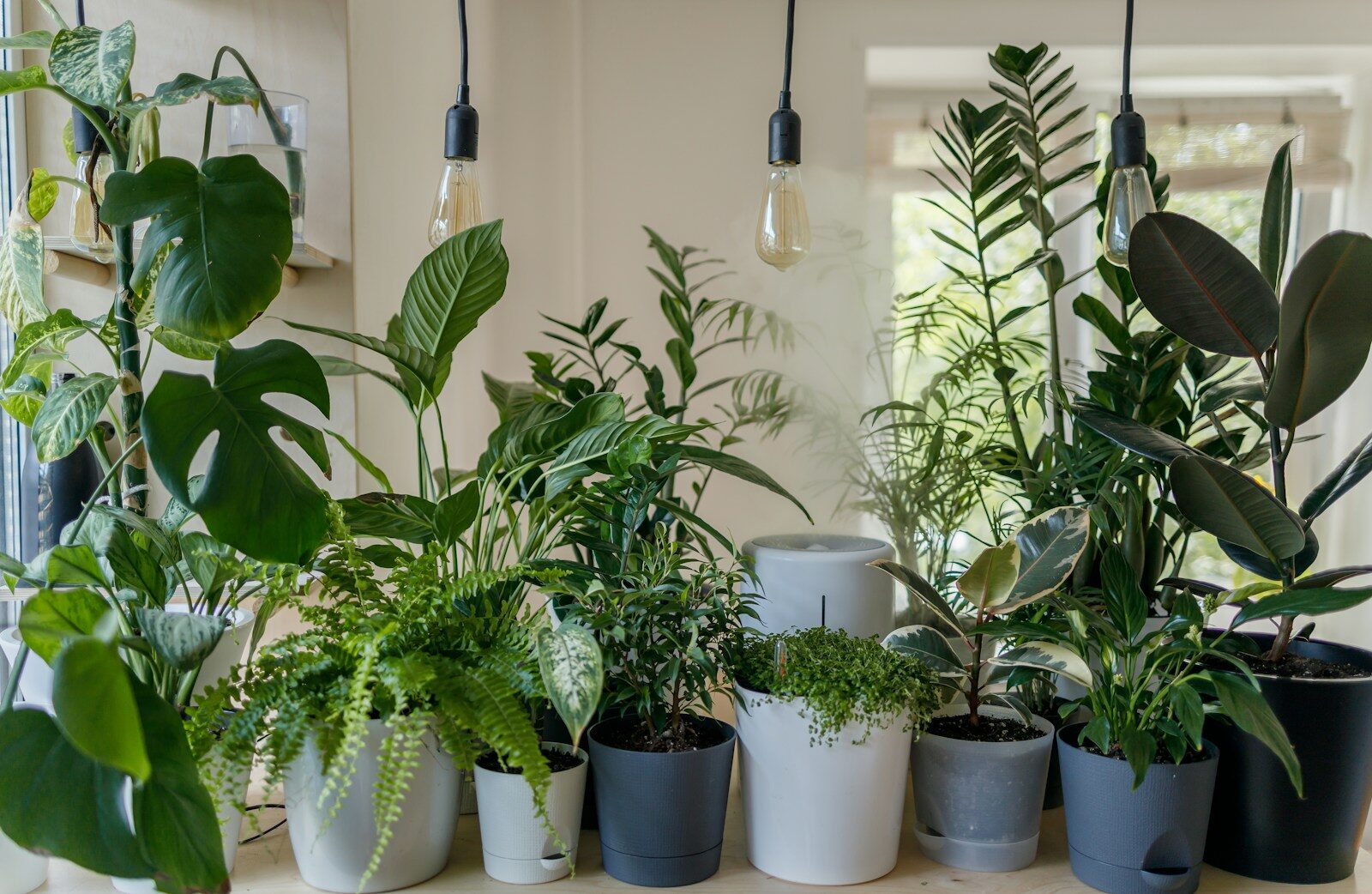
10 Plants That Are Hard to Kill for Beginner Gardeners
Not everyone has a green thumb, and that’s okay. If you’ve struggled to keep plants alive or simply don’t have much time for gardening, you’re not alone. Many people want to enjoy houseplants but worry about the care they require.
The good news is that some plants can survive with minimal attention and still look great in your home. These tough plants can handle missed waterings, low light, and other less-than-perfect conditions. They’re perfect for beginners, busy people, or anyone who has killed a plant or two in the past.
This guide covers popular houseplants that are hard to kill, along with simple care tips to help them thrive. You’ll learn about different plant options and how to avoid common problems that trip up new plant owners.
Table of Contents
1. Snake Plant

The Snake Plant is one of the most popular houseplants that are hard to kill. You can place it in low light or direct sun, and it will do just fine.
Watering is super simple. You only need to water when the soil is completely dry. Watering once a month will keep your plant happy.
This plant handles neglect really well. It works with different temperatures and doesn’t need much attention. If you forget about it for a while, it will still be there waiting for you.
Water every 2-4 weeks and give it a deep soak. Then let it dry out completely before watering again. Place it in indirect sunlight for best results.
2. ZZ Plant

The ZZ plant is one of your best choices if you want a plant that can handle almost anything. It has thick, shiny leaves that look great in any room of your home.
This plant thrives on neglect, which makes it perfect for busy people. You can forget to water it for weeks and it will still survive. The ZZ plant stores water in its roots, so it doesn’t need frequent watering like other plants.
Your ZZ plant will also do well in low light conditions. It can handle shadier spots where other plants would struggle.
The plant adapts to poor soil and inconsistent care without any problems. Some people call it the eternity plant because it’s so tough to kill.
3. Spider Plant

The spider plant is one of the easiest houseplants to care for, making it perfect if you’re new to growing plants. It gets its name from the baby plants that hang down from the main plant on long stems, looking a bit like spiders.
You’ll love how forgiving this plant is. It needs minimal water and works well in different lighting conditions. Even if you forget to water it sometimes, your spider plant will likely bounce back.
The long, arching leaves make it look great in a hanging basket. As it grows, small white flowers appear on the stems before turning into those baby spider plants you can easily replant.
Spider plants also help clean the air in your home, giving you another good reason to add one to your space.
4. Pothos

Pothos is one of the easiest houseplants to take care of. You might also hear it called devil’s ivy or golden pothos.
This trailing plant has beautiful heart-shaped leaves. Some pothos plants have variegated leaves with yellow, white, and green colors.
Your pothos will grow well in indirect light, but it can also handle very low light conditions. It even does fine under artificial light. The plant can survive weeks without water thanks to its waxy leaves that store moisture.
You don’t need special soil or fancy care routines. Pothos tolerates poor soil and resists most pests and diseases. It’s known as the ultimate unkillable houseplant for good reason.
5. Clivia

Clivia plants are relatives to amaryllis and make excellent choices if you tend to forget about your houseplants. These nearly indestructible plants produce beautiful trumpet-shaped flowers in bright orange, yellow, or cream colors.
You’ll love how little care these plants need. They can handle low light conditions and don’t mind if you skip a watering session or two.
Clivia plants actually prefer to be a bit neglected. They bloom best when they’re slightly root-bound and given a winter rest period with less water.
The thick, strap-like leaves stay green year-round. Your clivia will reward you with stunning blooms in late winter or early spring. Just place it in indirect light and water when the soil feels dry to the touch.
6. Aloe Vera

Aloe Vera is one of the most resilient houseplants you can own. This succulent stores water in its thick leaves, so it can handle weeks without watering.
The plant grows best in bright indirect light near a sunny window. You only need to water it when the soil is completely dry. In fact, the easiest way to kill an aloe plant is to overwater it.
Beyond being low-maintenance, aloe vera offers practical benefits. You can cut open a leaf and use the gel inside to soothe minor burns and skin irritations.
Choose a plastic or wooden container for your aloe plant. Avoid metal pots, as they can cause problems for the roots.
7. Succulents

Succulents are perfect if you want a plant that can handle some neglect. These hardy plants store water in their thick leaves, so they can go weeks without watering.
You’ll find succulents come in many shapes and colors. They add visual interest to any space without demanding much attention.
These low-maintenance plants thrive in bright light and need well-draining soil. Water them only when the soil feels completely dry.
The jade plant is one popular option that can live for decades. It’s native to South Africa and can even grow into a small tree with proper care.
Most succulents can handle drought, heat, and temperature changes. This makes them ideal for busy people or beginners just starting their plant journey.
8. Peace Lily

The peace lily is a beautiful plant with glossy green leaves and white flowers. You’ll love how forgiving it is when you forget to water it.
This plant does great in low to medium light. You can put it in a shaded corner of your home and it will still thrive. It even grows well under artificial lighting, so you don’t need a sunny window.
Peace lilies require only occasional watering. They’ll actually tell you when they’re thirsty by drooping their leaves a bit. Just give them water and they’ll perk right back up.
The white blooms can last up to two months at a time. This gives you plenty of enjoyment from your plant without much effort on your part.
9. Cast Iron Plant

The Cast Iron Plant lives up to its tough name. You can put it in low light conditions where most other plants would struggle.
This plant has glossy, dark green leaves that grow slowly but steadily. It can handle irregular watering and won’t complain if you forget about it for a while.
The Cast Iron Plant adapts to various conditions, including different light levels, soil types, and humidity. Your main concern is avoiding overwatering. Just water it when the soil feels dry, and your plant will do fine.
You’ll rarely deal with pests on this plant. It’s perfect for rooms with limited natural light or spots where you need a low-maintenance plant that requires minimal attention.
10. Rubber Plant

The Rubber Plant makes a great choice if you want something beautiful but easy to care for. Its large, glossy leaves add a tropical feel to your home without requiring much work from you.
This plant thrives on neglect and can handle less-than-perfect conditions. You only need to water it when the top few inches of soil feel dry. It does well in bright, indirect light but can also adapt to lower light levels.
The Rubber Plant grows slowly, so you won’t need to repot it often. Wipe its leaves with a damp cloth occasionally to keep them shiny and help the plant breathe better. If you forget to water it for a while, it will usually bounce back without any problems.
Care Tips for Resilient Houseplants
Even tough plants need the right basics to stay healthy. Getting watering schedules right, picking appropriate soil, and understanding light needs will help your hardy plants thrive for years.
Watering Best Practices
The biggest mistake you can make with resilient houseplants is overwatering. Most hardy plants prefer to dry out between waterings rather than sit in wet soil.
Stick your finger about two inches into the soil before watering. If it feels dry at that depth, it’s time to water. If it’s still damp, wait a few more days.
When you do water, give the plant a thorough drink until water drains from the bottom holes. Empty the saucer after 15 minutes so roots don’t sit in standing water. This prevents root rot, which kills more houseplants than underwatering ever does.
Watering frequency changes with seasons. You’ll water more in spring and summer when plants grow actively. In fall and winter, most plants need less water because they’re resting.
Choosing the Right Soil
Regular potting mix works well for most hardy houseplants. Look for soil that drains quickly and doesn’t stay soggy for days after watering.
Good potting soil contains a mix of peat moss or coconut coir, perlite, and sometimes bark. The perlite creates air pockets so roots can breathe. Avoid using garden soil in pots because it’s too heavy and compact.
For succulents and snake plants, use a cactus mix or add extra perlite to regular potting soil. These plants need soil that dries out fast. A ratio of two parts potting mix to one part perlite works well.
Replace soil every two to three years even if you don’t repot. Old soil breaks down and loses its drainage ability over time.
Light Requirements for Tough Plants
Most hard-to-kill houseplants adapt to different light conditions, but they still have preferences. Bright indirect light means the plant sits near a window but doesn’t get direct sun rays on its leaves.
Low light doesn’t mean no light. It refers to spots several feet from windows or rooms with small windows. No plant survives in complete darkness.
Watch your plant for signs it needs different light. Leggy growth with big spaces between leaves means it needs more light. Brown, crispy patches on leaves often mean too much direct sun.
You can move plants gradually to brighter or darker spots over a week or two. Sudden changes stress even the toughest plants.
Common Issues and How to Avoid Them
Even the toughest plants can run into problems if certain basic needs aren’t met. Overwatering kills more hardy plants than any other issue, while pests can still find their way to resilient varieties.
Recognizing Overwatering
You can tell if you’re giving your plant too much water by checking a few key signs. Yellow or brown leaves that feel soft and mushy point to overwatering. The soil will stay wet for days after watering instead of drying out.
Root rot is the biggest danger from too much water. When roots sit in soggy soil, they can’t get oxygen and start to decay. You might notice a foul smell coming from the soil or see black, mushy roots if you check.
Signs of overwatering include:
- Yellowing leaves that drop easily
- Soft, mushy stems
- Mold or fungus on the soil surface
- Water pooling on top of the soil
To avoid this problem, stick your finger about two inches into the soil before watering. Only water when the soil feels dry at that depth. Make sure your pot has drainage holes so excess water can escape. Testing the moisture level of soil helps you determine if your plant needs water.
Preventing Pests in Hardy Plants
Your tough plants can still attract bugs like spider mites, mealybugs, and fungus gnats. These pests often show up when plants are stressed or when the air is too dry.
Check your plants every week or two for small bugs, sticky residue, or tiny webs. Catching pests early makes them much easier to handle. Wipe down leaves with a damp cloth to remove dust and spot any problems.
Keep pests away by not overwatering, which attracts fungus gnats. Give your plants enough space for air to flow between them. You can spray leaves with water occasionally to raise humidity and wash away potential invaders.
If you do find pests, wash them off with water or use insecticidal soap. Neem oil works well for many common plant pests. Keep the affected plant away from your other plants until the problem is gone.
