
My Personal Journey With PCOS and Hirsutism
I was diagnosed with PCOS (Polycystic Ovary Syndrome) when I was still in middle school. At that age, I didn’t really understand what it meant outside of irregular periods and doctor’s visits that felt endless. But the part of PCOS that changed the way I looked at myself, literally, was hirsutism, the excessive hair growth that shows up on the face, chest, back, and other areas women don’t usually expect.
As a Black woman, my hair wasn’t just unwanted; it came with side effects like dark spots, razor bumps, and hyperpigmentation when I tried to manage it. For years, I tried everything: shaving, waxing, threading, even electrolysis. Each came with pros and cons, but nothing truly changed my life the way laser hair removal did. My skin is now free from the hyperpigmentation that shaving caused, and while the hair never completely disappears, laser makes it manageable with simple touch-ups.
This blog isn’t medical advice — it’s my experience. I want to break down the unique struggles Black women face with PCOS and hirsutism, and compare the hair removal options available so you can make informed choices.
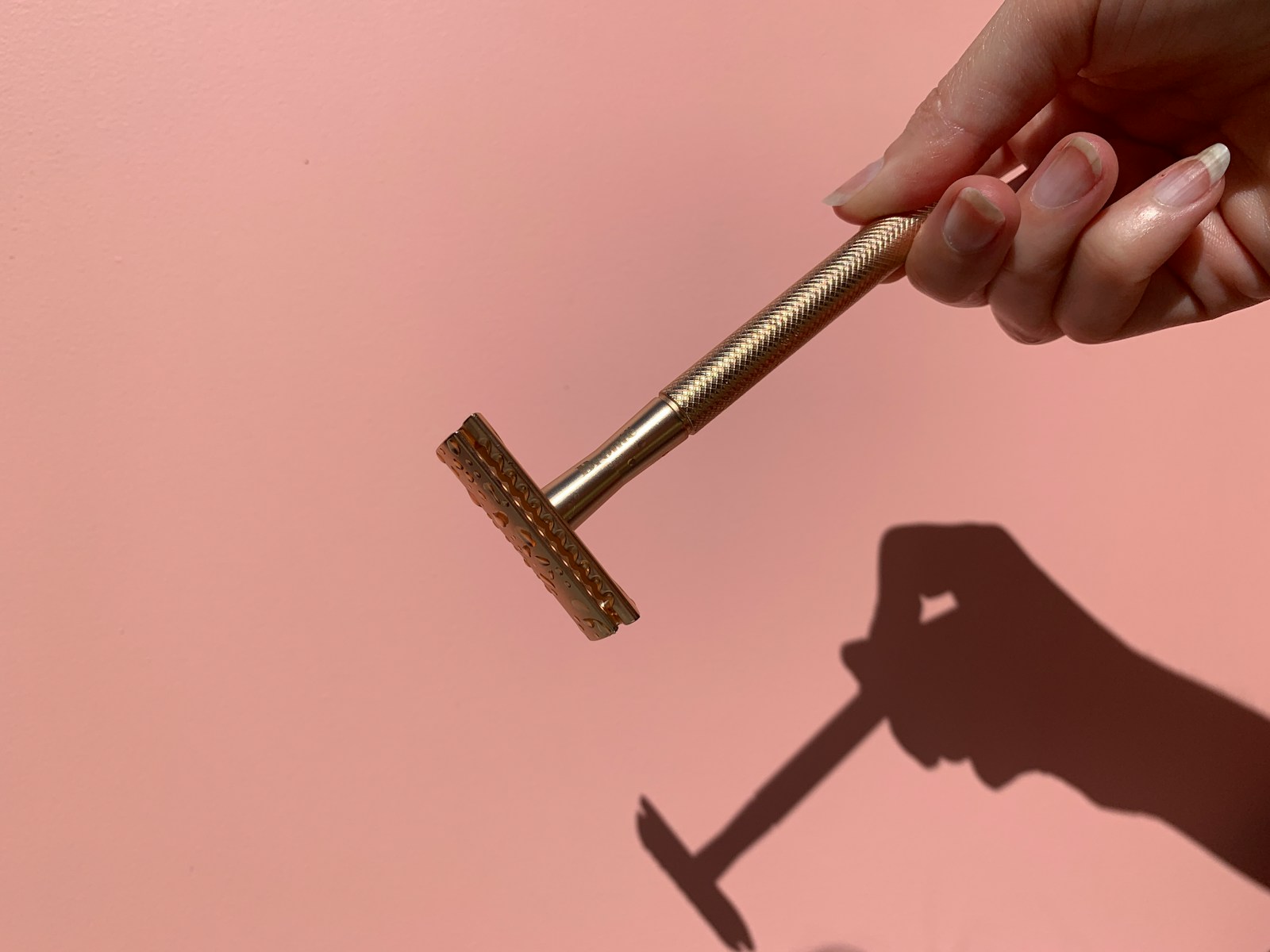
Table of Contents
What Is PCOS and Why Does It Cause Hirsutism?
Polycystic Ovary Syndrome (PCOS) is a hormonal condition that affects up to 1 in 10 women of reproductive age. It disrupts the balance of reproductive hormones, often increasing androgens (male hormones). Elevated androgens are what lead to hirsutism, coarse, dark hair growth on areas like the face, chin, chest, or stomach.
For Black women, hirsutism doesn’t just mean “more hair.” It also means dealing with how our skin reacts: increased chances of ingrown hairs, keloids, and hyperpigmentation when we try common hair removal methods. That’s why choosing the right option isn’t just about convenience, it’s about protecting your skin long-term.
The Unique Struggles Black Women Face With PCOS Hair Removal
Hair removal is marketed like it’s one-size-fits-all, but it’s not. Black women often experience:
- Hyperpigmentation – Shaving or waxing can leave dark marks that take years to fade.
- Keloids and scarring – Our skin is more prone to raised scars when irritated.
- Ingrown hairs – Curly hair textures make ingrowns more frequent and painful.
- Access barriers – Safe laser or electrolysis providers who know how to treat darker skin tones can be hard to find.
These factors mean we need solutions tailored to both our hormonal condition and our skin type.
Comparing Hair Removal Options for Black Women With Hirsutism
Shaving
Shaving is the most accessible and affordable option. But for Black women with PCOS, it often causes razor bumps and dark marks that are harder to fade. I shaved for years and developed hyperpigmentation on my face — something I was only able to reverse after switching to laser.
Pros: Cheap, quick, painless.
Cons: Can cause hyperpigmentation, razor bumps, and ingrown hairs. Needs constant upkeep.
Waxing
Waxing pulls hair from the root, which sounds good in theory. But you have to let the hair grow out before waxing again, and as someone who deals with facial hirsutism, I didn’t want to walk around with a beard just to prep for an appointment.
Pros: Lasts longer than shaving, smoother results.
Cons: Painful, requires hair growth, can irritate skin, and cause dark spots.
Threading
Threading is popular for brows, but can be used on facial hair too. It’s precise and avoids some of the irritation shaving brings, but it’s painful and best for small areas. For someone with PCOS, it’s not always realistic to keep up with frequent threading sessions.
Pros: Precise, no harsh chemicals.
Cons: Painful, only good for small areas, frequent visits needed.
Electrolysis
Electrolysis is the only FDA-approved permanent hair removal method. I tried it, and while it works, it was one of the most painful and expensive experiences. It’s also hard to find trained providers who understand Black skin and can avoid scarring.
Pros: Permanent results, works on all skin tones.
Cons: Expensive, painful, time-consuming, and hard to find skilled providers.
Laser Hair Removal
Laser changed everything for me. It doesn’t permanently erase hair, but it drastically reduces growth and makes upkeep easy with touch-ups. The key is finding a clinic that uses the right type of laser for Black skin (Nd:YAG lasers are safest). Since I stopped shaving and started laser, my hyperpigmentation faded, and my confidence shot up.
Pros: Long-term reduction, reduces ingrowns and dark spots, convenient.
Cons: Expensive upfront, requires multiple sessions, results vary.
Read my full blog on laser hair removal for Black women here
The Best Hair Removal Options: A Quick Comparison
| Method | Cost | Pain Level | Best For | Biggest Downside |
|---|---|---|---|---|
| Shaving | Low | None | Quick fixes | Hyperpigmentation, razor bumps |
| Waxing | Medium | High | Smooth finish, body hair | Must grow hair, painful |
| Threading | Low | Medium | Brows/small areas | Time-consuming, not for large areas |
| Electrolysis | High | Very High | Permanent-ish removal | Expensive, painful, hard to find |
| Laser | High | Medium | Long-term reduction | Costly upfront, requires sessions |
How to Choose What’s Right for You
There isn’t a one-size-fits-all answer. Your choice depends on your budget, pain tolerance, and how much upkeep you’re willing to manage. For me, shaving was the worst because of the hyperpigmentation. Electrolysis was promising but unrealistic for my lifestyle. Waxing and threading were stop-gaps but not sustainable.
Laser was the only option that gave me lasting results without damaging my skin. For many Black women with PCOS, it’s the best balance of convenience and effectiveness, as long as you choose a provider with experience treating darker skin tones.
Living With PCOS Beyond Hair Removal
Hair removal is only one part of the PCOS journey. The condition also brings weight struggles, fertility challenges, insulin resistance, and emotional tolls. Managing hirsutism is about more than vanity, it’s about reclaiming control over how we show up in the world.
For Black women, that means navigating both the medical side and the cultural expectations of what beauty looks like. The more we talk about it, the more we break the shame around facial hair, hyperpigmentation, and PCOS in general.
Finding What Works for You
As a light-skinned Black woman with PCOS, my experience is just one perspective. Laser hair removal has been the most effective solution for me, but that doesn’t mean it will be the right choice for everyone. Do your research, talk with a medical provider, and remember that even though studies may say something “works,” your body might respond differently.
At the end of the day, managing hirsutism is about finding what makes you feel confident, comfortable, and in control. The hair may never fully disappear, but you deserve to feel good in your skin no matter what.
